
Why High-Visibility Matters
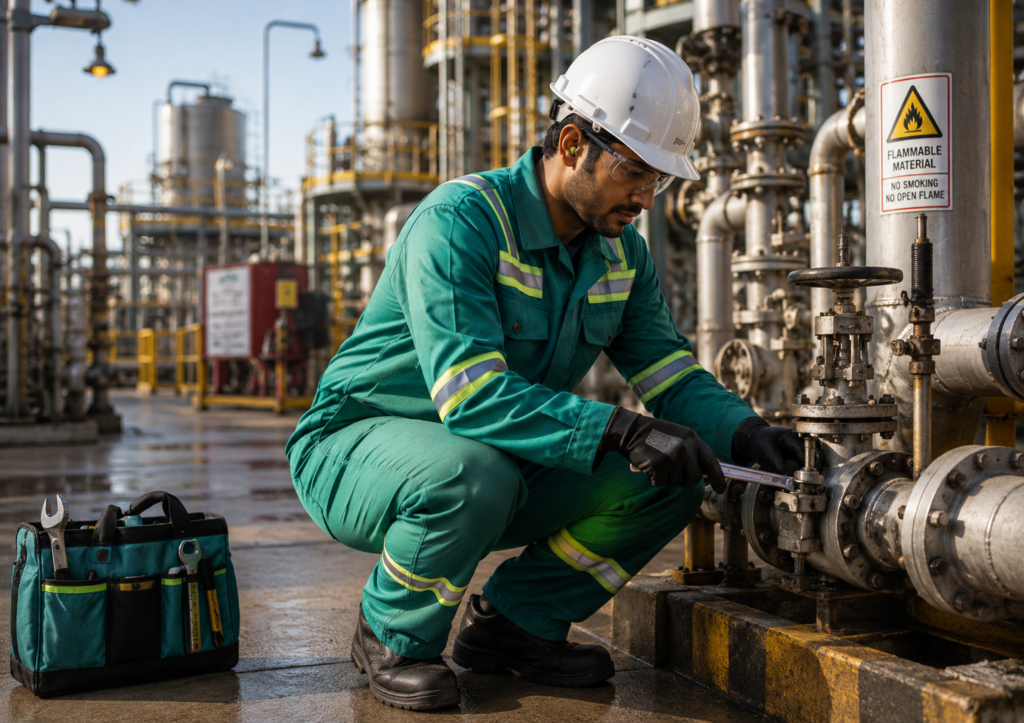
In any environment where workers are near moving vehicles, machinery, or traffic, being seen is fundamental to being safe. High-visibility workwear makes the wearer conspicuous against their background in both daylight and under vehicle headlights at night. It is one of the simplest and most cost-effective safety measures available — yet its effectiveness depends on correct specification and maintenance.
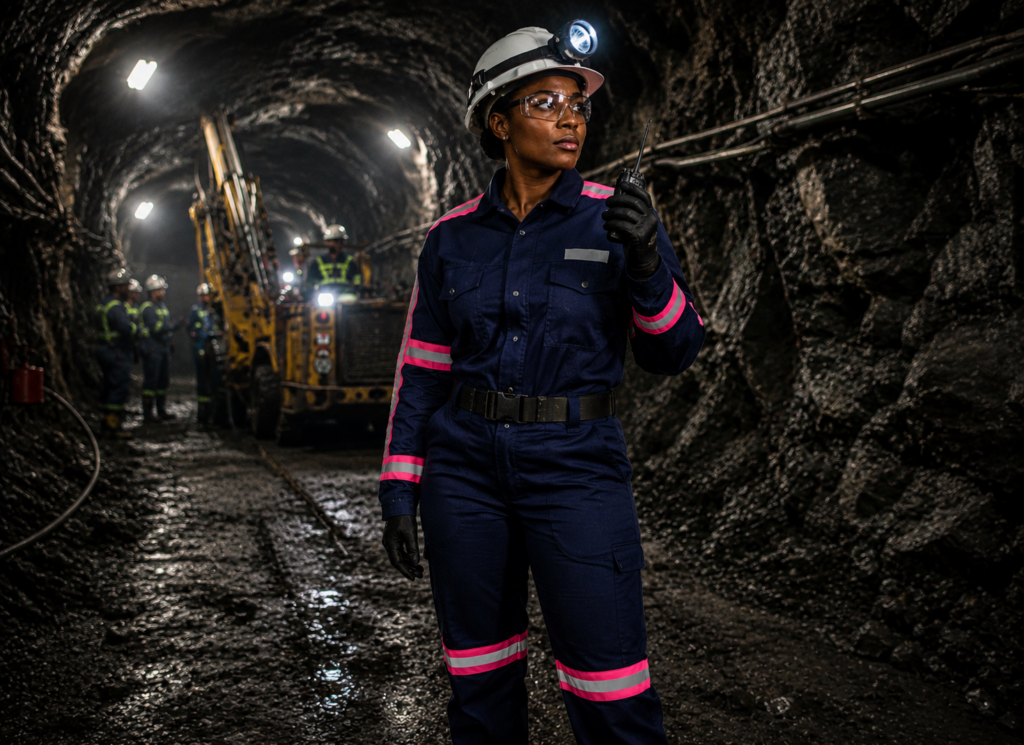
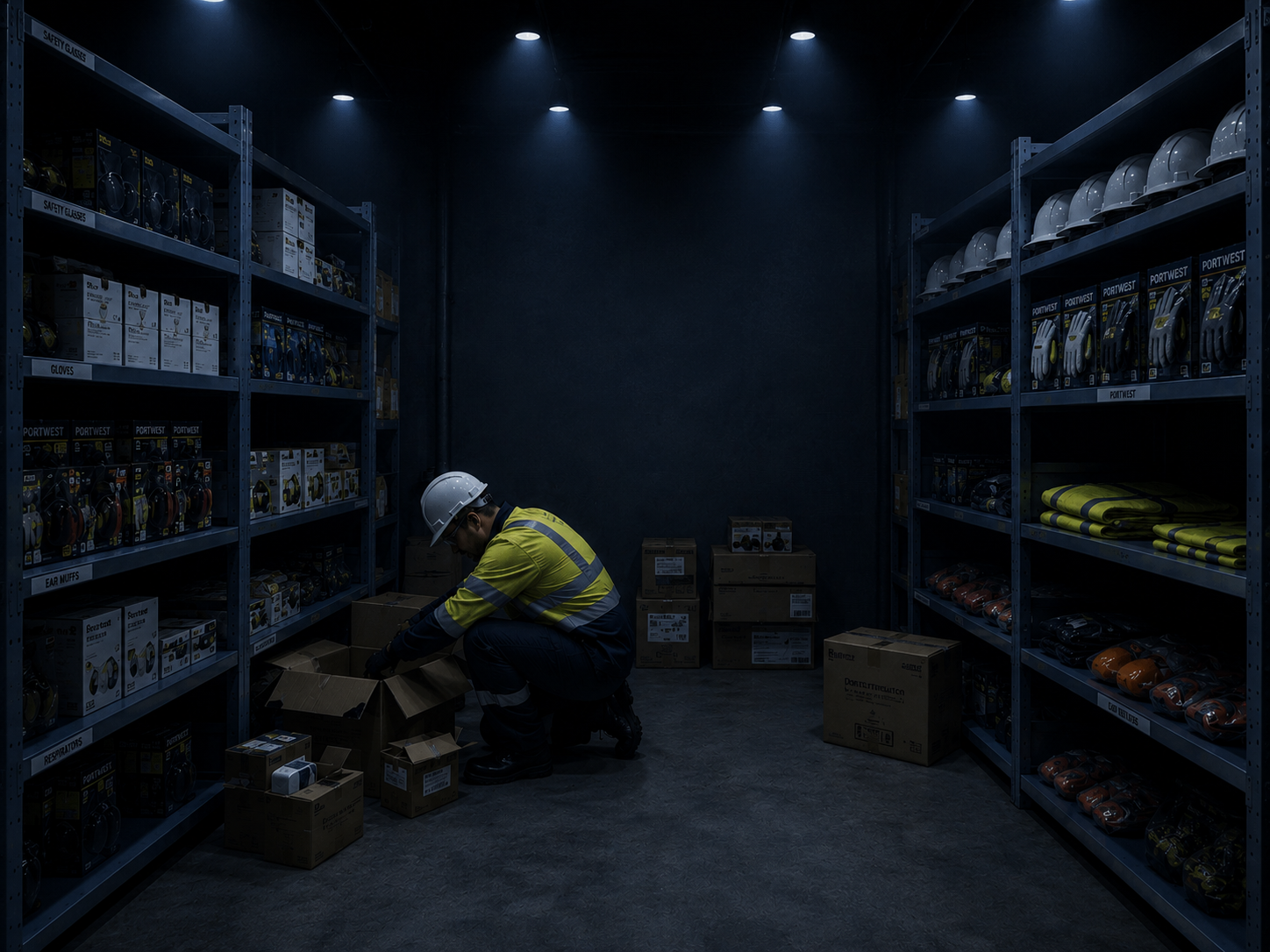
South African industries where hi-vis is typically mandatory include construction, roadworks, mining (surface operations), warehousing with forklift traffic, airport ground operations, and emergency services. The specific hi-vis class and configuration must be matched to the risk level and environmental conditions.
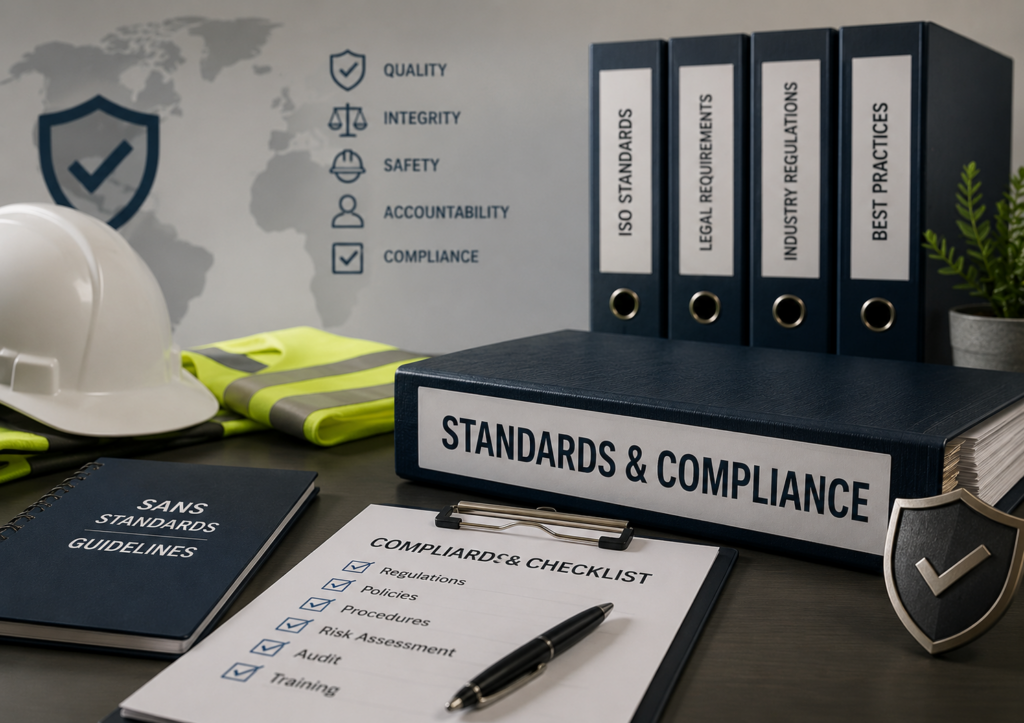
EN ISO 20471 and SANS Requirements
EN ISO 20471 is the international standard for high-visibility clothing, referenced in South African specifications. The standard classifies hi-vis garments into three classes based on the minimum area of fluorescent and retro-reflective material:
Class 3 (Highest Protection): Minimum 0.80m² of fluorescent background material and 0.20m² of retro-reflective material. Required for high-risk situations including work on or near motorways, complex junctions, and anywhere with high-speed traffic.
Class 2 (Intermediate Protection): Minimum 0.50m² fluorescent and 0.13m² retro-reflective material. Suitable for work near roads with speed limits up to 80 km/h and where drivers have adequate time to react.
Class 1 (Lowest Protection): Minimum 0.14m² fluorescent and 0.10m² retro-reflective material. Appropriate for off-road environments with lower vehicle speeds and good separation from traffic.
Fluorescent vs. Retro-Reflective
Hi-vis garments combine two distinct technologies. Fluorescent materials (typically in yellow, orange, or red) absorb invisible ultraviolet light and re-emit it as visible light, making them appear to glow in daylight and dusk conditions. This effect is most pronounced in overcast conditions and at dawn/dusk.
Retro-reflective materials (the silver tape strips) return light directly back to its source. This means vehicle headlights illuminate the tape brightly, making the wearer visible at night. The combination of fluorescent background and retro-reflective stripes provides 24-hour visibility.
Garment Types and Configurations
Hi-vis garments include vests, t-shirts, long-sleeve shirts, jackets, trousers, and coveralls. The class rating applies to the combination worn — a Class 2 vest over a non-hi-vis jacket may not achieve Class 2 protection for the overall silhouette. For cold-weather work, specify hi-vis jackets that maintain the required class without relying on underlying garments.
Sleeveless vests are common for warm-weather work but provide limited visibility of the wearer from the side. Long-sleeve hi-vis shirts and jackets improve side visibility and are increasingly preferred for comprehensive protection.
Maintenance and Replacement
Hi-vis performance degrades over time. Fluorescent dyes fade with UV exposure and repeated washing. Retro-reflective tape can crack, peel, or become contaminated. Establish a regular inspection programme and replace garments when:
- Fluorescent material appears faded or dull compared to new garments
- Reflective tape is damaged, peeling, or heavily soiled
- The garment has tears, holes, or permanent staining
- After the manufacturer’s stated wash cycle limit (typically 25-50 washes)
Conclusion
High-visibility workwear is a fundamental safety control for any environment with vehicle or machinery traffic. Understanding the class system, the science behind fluorescent and retro-reflective materials, and maintenance requirements enables effective specification that keeps workers visible and safe.