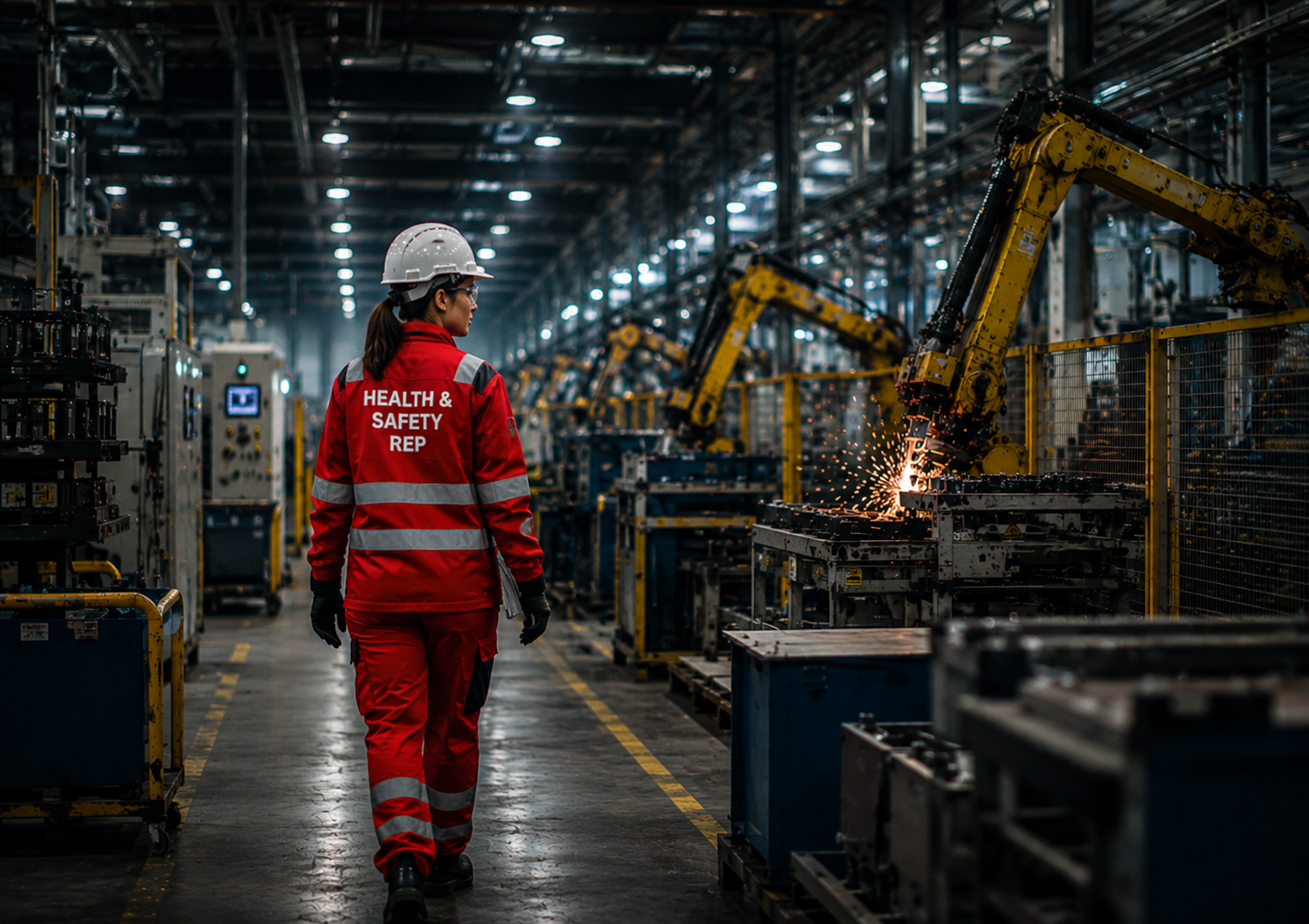
Comprehensive manufacturing PPE guide for South Africa. Covers production facilities, packaging plants and industrial processing. OHSA, SANS standards and compliance requirements.
On this page
Industry Overview
Manufacturing is South Africa’s fourth-largest economic sector, encompassing a diverse range of operations from automotive assembly and metal fabrication to food processing, chemical production, textiles, and consumer goods packaging. Each manufacturing sub-sector presents distinct hazard profiles that determine PPE requirements.
General manufacturing, production facilities, packaging plants, and industrial processing operations share common hazards including machinery interaction, noise, dust, chemical exposure, hot surfaces, and manual material handling. The Occupational Health and Safety Act 85 of 1993 (OHSA) applies to all manufacturing operations, with General Administrative Regulations and specific industry regulations providing detailed requirements.
Primary Workplace Hazards
Machinery Hazards: Lathes, presses, conveyors, mills, and automated equipment create pinch points, nip points, cutting hazards, and entanglement risks. Machine guarding is the primary control, but residual risks often require hand and body protection during operation, maintenance, and cleaning.
Noise: Manufacturing operations frequently exceed the 85 dB(A) action level specified in the Noise-Induced Hearing Loss Regulations. Metal-on-metal contact, compressed air, motors, fans, and process machinery create continuous or intermittent high noise levels.
Dust: Grinding, cutting, sanding, mixing, and material handling generate airborne particulates. Wood dust, metal dust, chemical powders, and general process dust can cause respiratory disease, dermatitis, and fire/explosion hazards.
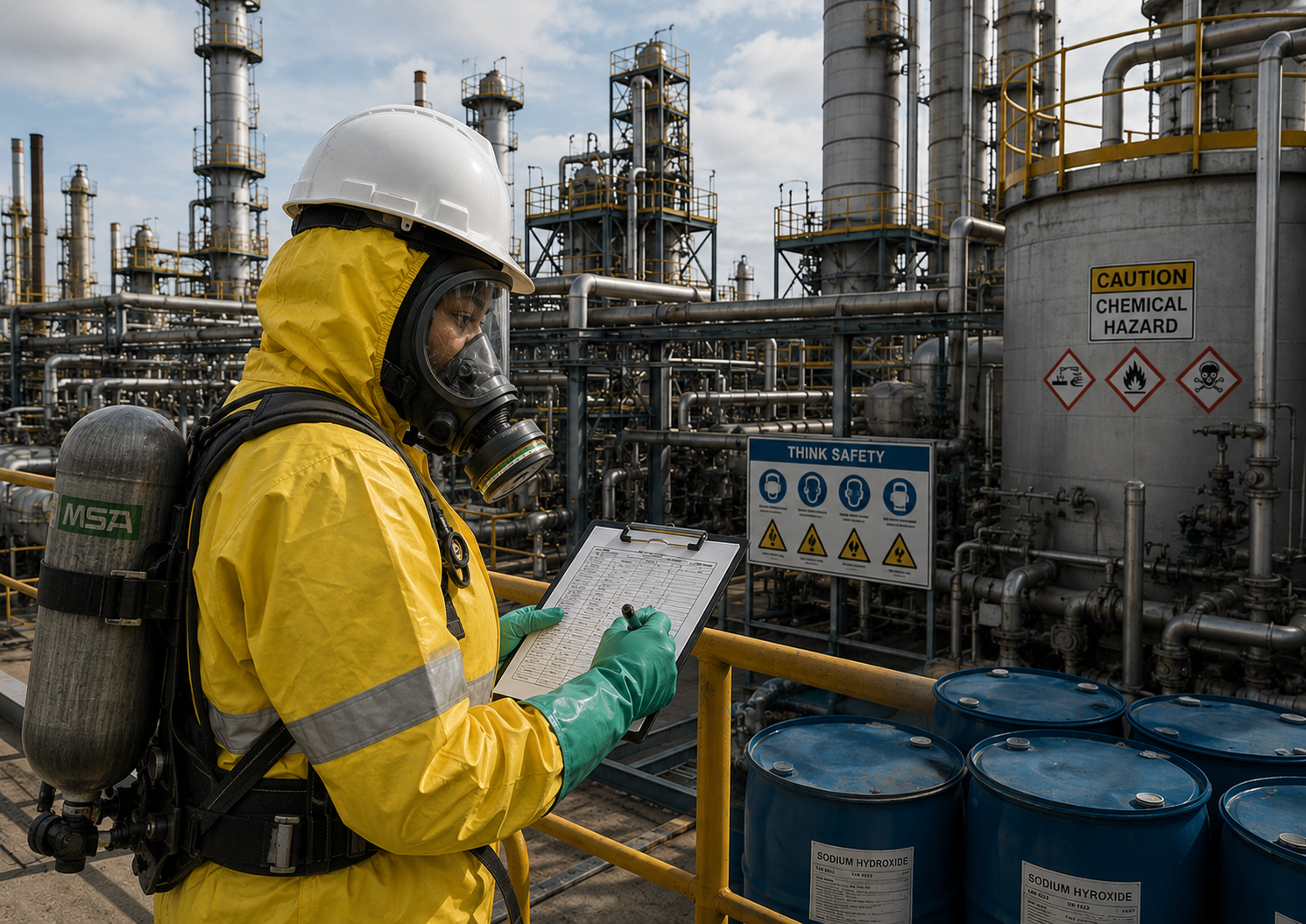
Chemical Exposure: Solvents, cleaning agents, lubricants, adhesives, and process chemicals present skin contact, inhalation, and eye splash hazards. Material Safety Data Sheets (SDS) must inform PPE selection for each chemical.
Hot Surfaces: Furnaces, ovens, extruders, moulds, recently welded components, and steam pipes create burn hazards. Temperatures can exceed 100°C in many manufacturing processes.
Material Handling: Manual lifting, pushing, pulling, and carrying create musculoskeletal risks. Sharps on raw materials, finished products, and packaging materials create hand laceration hazards.
Applicable South African Compliance Considerations
Occupational Health and Safety Act 85 of 1993: Section 8 requires employers to provide and maintain a working environment that is safe and without risk to health. Section 8(2)(d) specifically requires provision of PPE where hazards cannot be adequately controlled by other means.
General Administrative Regulations (GAR): Regulation 2(c) requires hazard identification and risk assessment. Regulation 13 requires PPE to be provided where engineering and administrative controls are insufficient.
Environmental Regulations for Workplaces: Regulation 4 addresses thermal requirements, Regulation 5 addresses lighting, and other regulations address ventilation and housekeeping — all of which influence PPE requirements.
Noise-Induced Hearing Loss Regulations: Require noise assessments, hearing conservation programmes, and provision of hearing protection where noise exceeds 85 dB(A).
Lead Regulations and Asbestos Regulations: Apply where these specific hazards exist and mandate specific PPE requirements.
SANS Standards: SANS 50397 (head), SANS 50149 (respiratory), SANS 50352 (hearing), SANS 1381 (clothing), and SANS 20345 (footwear) provide the technical specifications for manufacturing PPE.
Recommended PPE Matrix
| PPE Category | Recommended PPE |
|---|---|
| Head Protection | Hard hat where required |
| Eye Protection | Safety glasses or goggles |
| Hearing Protection | Hearing protection in designated zones |
| Hand Protection | Cut-resistant or task-specific gloves |
| Foot Protection | Safety footwear |
| Respiratory Protection | Dust or chemical respirators where required |
| Body Protection | Protective clothing or overalls |
| High Visibility | High visibility garments in vehicle zones |
Detailed PPE Selection Matrix
| Hazard | Recommended PPE | Relevant Standards | Inspection Frequency |
|---|---|---|---|
| Falling objects / overhead hazards | SANS 50397 hard hat, industrial safety helmet | SANS 50397 / EN 397 | Daily |
| Flying particles / dust | Safety spectacles (F-rated) or sealed goggles for fine dust | EN 166 | Daily |
| Noise >85 dB(A) | SNR-rated earplugs or earmuffs | SANS 50352 / EN 352 | Weekly |
| Sharp edges / cuts | Cut-resistant gloves Level 3-5 depending on hazard | EN 388 (TDM A-F) | Daily |
| Chemical contact | Chemical-resistant gloves matched to SDS | EN 374 | Per use / per shift |
| Hot surfaces | Heat-resistant gloves and protective clothing | EN 407 / SANS 1381 | Daily |
| Respirable dust / vapours | FFP2-FFP3 or chemical cartridge respirators per hazard assessment | SANS 50149 / EN 149 | Daily; fit test annually |
| Foot injuries | S1-S3 rated safety footwear depending on hazards | SANS 20345 / EN ISO 20345 | Daily |
| Splash / spill | Chemical-resistant apron or coverall, face shield | EN 14605 | Per use |
Hazard Assessment Process
Manufacturing PPE selection must be based on formal risk assessments as required by GAR Regulation 2(c). The assessment process should include:
Walk-Through Survey: Systematic inspection of each production area, identifying machinery, chemicals, noise sources, and environmental conditions.
Occupational Hygiene Measurements: Noise surveys, air sampling for dust and vapours, lighting assessments, and thermal measurements to quantify exposure levels.
Task Analysis: Breaking down each job role into specific tasks and identifying the hazards associated with each task. This identifies where task-specific PPE is needed rather than general area PPE.
SDS Review: Every chemical on site must have a reviewed SDS that specifies required PPE for handling, storage, and emergency situations.
Incident and Near-Miss Review: Historical data reveals patterns of injuries that indicate PPE gaps or training needs.
PPE Hierarchy of Control
The hierarchy must be applied in manufacturing before PPE is specified:
Elimination: Remove hazardous processes. Example: Eliminate solvent-based cleaning by switching to aqueous cleaning systems.
Substitution: Replace with safer alternatives. Example: Replace noisy pneumatic tools with electric alternatives. Substitute hazardous chemicals with less toxic alternatives.
Engineering Controls: Enclose hazards. Example: Machine guards, local exhaust ventilation (LEV) for dust and fume, sound enclosures for noisy equipment, anti-slip flooring.
Administrative Controls: Safe work procedures. Example: Job rotation in noisy areas, exclusion zones during hazardous tasks, standard operating procedures (SOPs) for chemical handling.
PPE: Personal protection. Example: Safety glasses where grinding dust cannot be fully captured by LEV, hearing protection where noise cannot be reduced below 85 dB(A).
PPE Selection Guidance
Eye Protection: In most manufacturing, F-rated (low-energy impact) safety spectacles are adequate. Goggles with indirect ventilation are required for chemical handling and fine dust environments. Prescription safety eyewear must be provided for workers requiring vision correction — over-glasses are a temporary solution only.
Gloves: Manufacturing often requires multiple glove types for different tasks. Cut-resistant gloves for material handling and machine operations, chemical-resistant gloves for cleaning and chemical handling (selected by matching glove material to the chemical from SDS data), heat-resistant gloves for hot surface contact. Never use cotton gloves near rotating machinery.
Hearing Protection: Classify work areas by noise level. Zone 1 (below 80 dB(A)): no hearing protection required. Zone 2 (80-85 dB(A)): hearing protection recommended. Zone 3 (above 85 dB(A)): hearing protection mandatory. Post zone signage at all entrances.
Respiratory Protection: Based on air monitoring results. For nuisance-level dusts, FFP1 may be adequate. For hazardous dusts and vapours, FFP2/FFP3 or half-mask respirators with appropriate cartridges are required. Always conduct fit testing for tight-fitting respirators.
Common Compliance Mistakes
1. One-Size-Fits-All PPE: Providing the same gloves, glasses, and boots to all workers regardless of task-specific hazards. Result: Inadequate protection for some tasks, unnecessary restriction for others.
2. No Noise Assessment: Failing to conduct a proper noise survey and simply providing earplugs to everyone. Some areas may not need hearing protection; others may need higher-rated protection or engineering controls.
3. Ignoring Chemical SDS: Not reviewing Safety Data Sheets for PPE requirements. Each chemical specifies glove material, eye protection, and respiratory protection requirements that must be followed.
4. Prescription Eyewear Gaps: Workers who wear prescription glasses may not be able to wear standard safety spectacles. Proper prescription safety eyewear or over-glasses must be provided.
5. Missing Zone Signage: PPE-required zones must be clearly marked with appropriate signage (Regulation GAR 2(h)). This includes mandatory PPE signs at zone entrances.
PPE Inspection & Maintenance Guidance
Daily (Worker): Check safety glasses for scratches and cracks. Inspect gloves for holes, tears, and contamination. Verify boot condition — sole integrity, upper damage. Check protective clothing for contamination and damage.
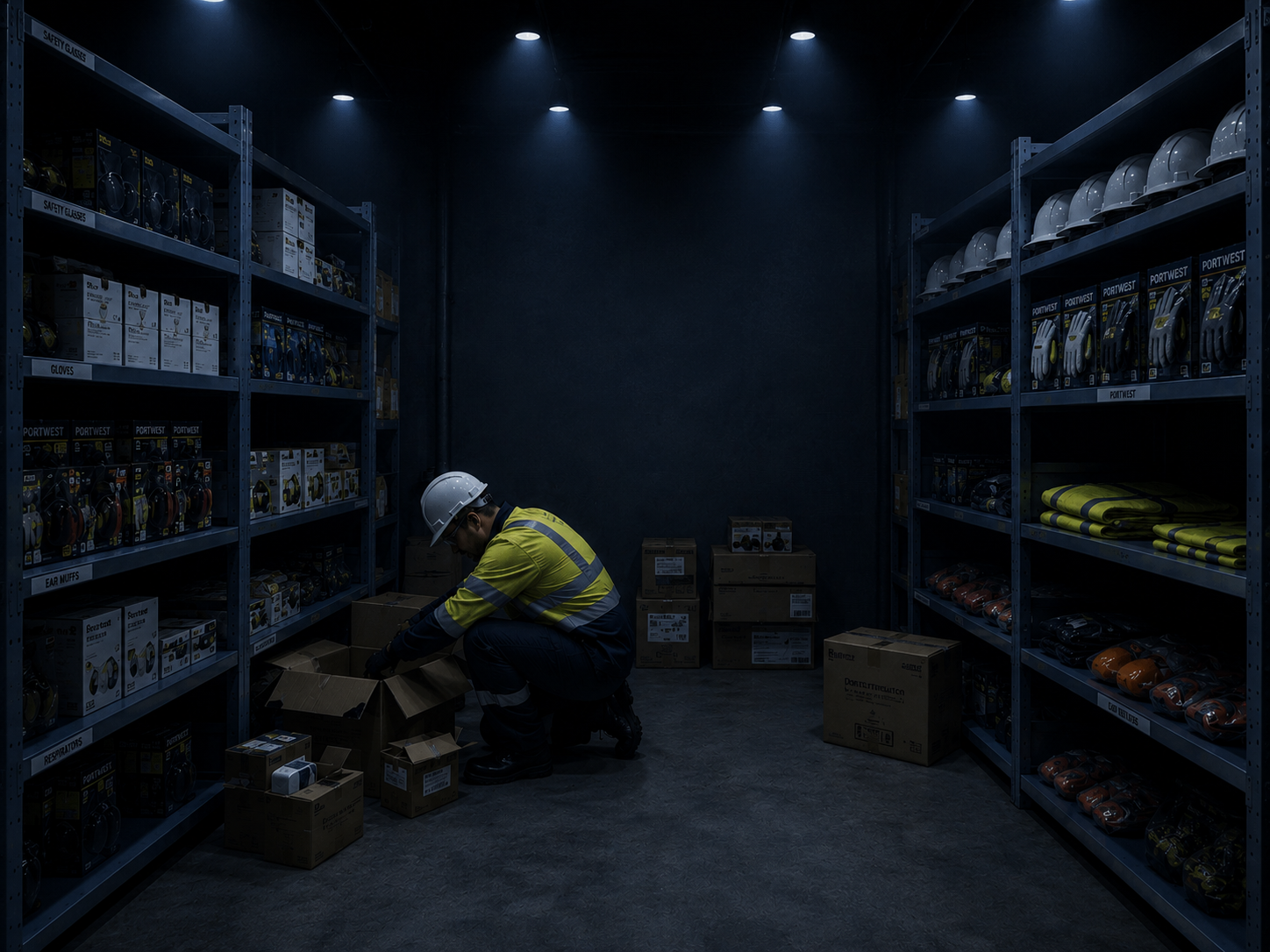
Weekly (Supervisor): Verify PPE compliance in all work zones. Check condition of communal PPE storage areas. Replace damaged zone signage. Review PPE issue records for overdue replacements.
Monthly (Management): Review PPE expenditure against budget. Analyse injury data for PPE-related trends. Audit PPE compliance rates through workplace observations. Review and update risk assessments.
Record Keeping
OHSA GAR requires documentation of PPE provision and risk assessments. Maintain:
- HIRA records with PPE recommendations
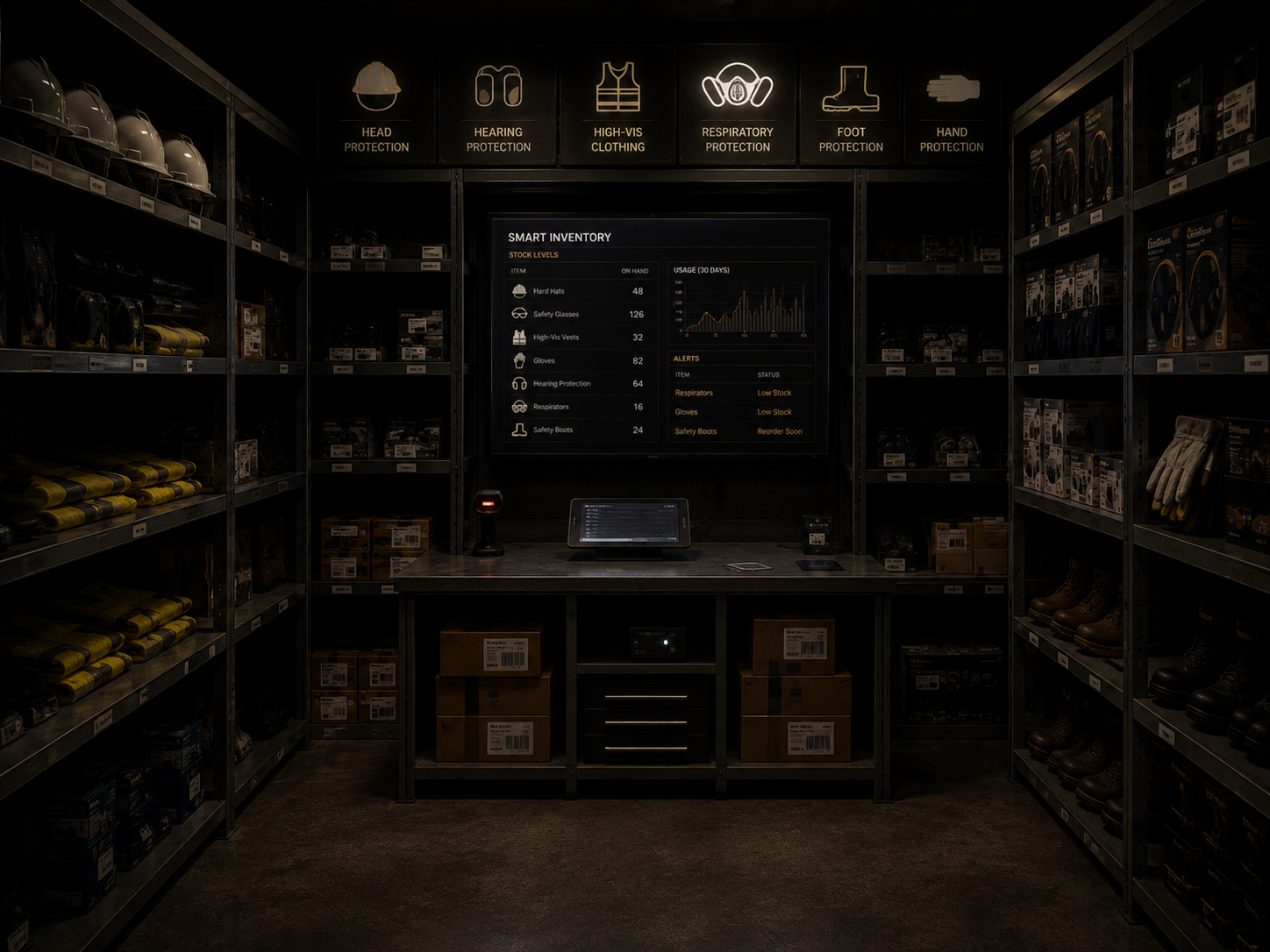
- PPE issue registers per employee
- Training records for PPE use
- Occupational hygiene measurement records
- Incident investigation records
- PPE programme audit reports
Compliance Responsibilities
Employer: Conduct risk assessments. Provide appropriate PPE at no cost. Ensure PPE meets SANS standards. Train employees. Maintain records. Monitor compliance. Replace damaged PPE.
Employee: Use PPE as instructed. Attend training. Report defects. Not interfere with or damage PPE. Participate in fit testing and health surveillance.
Frequently Asked Questions
Q: Must the employer pay for safety boots in manufacturing?
Yes. OHSA Section 8(2)(d) requires the employer to provide PPE where hazards cannot be otherwise controlled. This includes safety footwear where foot hazards exist.
Q: Can workers refuse to wear PPE?
Workers can be disciplined for refusing to wear employer-provided PPE that has been specified through proper risk assessment. However, if the PPE is genuinely uncomfortable or unsuitable, the employer must investigate and provide alternatives.
Q: How often must risk assessments be reviewed?
GAR requires risk assessments to be reviewed at least annually, and immediately when conditions change (new equipment, new chemicals, incidents, or new information about hazards).
Q: What about visitors and contractors?
The employer is responsible for ensuring that all persons on site (including visitors and contractors) have appropriate PPE. This is typically managed through site induction and PPE issue at entry points.
Key Takeaways
- PPE selection must be task-specific and based on formal risk assessment
- Hierarchy of controls must be applied before specifying PPE
- Noise assessments are mandatory before specifying hearing protection
- Chemical SDS must inform glove and respiratory selection
- All PPE must meet applicable SANS standards
- Training and compliance monitoring are as important as PPE provision
- Record keeping is a legal requirement under OHSA
- Annual review of risk assessments and PPE programmes is required
Need Manufacturing PPE Support?
Sheq Safety provides comprehensive PPE solutions for manufacturing operations across South Africa. Our services include hazard assessments, PPE specification against SANS standards, training programmes, and ongoing compliance support. Contact our technical team for a manufacturing PPE consultation.
Recommended Catalogues
Related Knowledge Articles
 Site Safety
Maintaining and Inspecting Your PPE: A Practical Protocol
Extend the life of your safety equipment and ensure consistent protection with proper inspection, cleaning, storage,…
 Workwear
The Complete Guide to Flame Retardant Workwear
Everything you need to know about flame retardant workwear: D59 treated cotton fabric technology, SANS and…
 Hand Protection
: A Comprehensive Guide to Industrial Gloves
Selecting the right gloves for chemical, mechanical, thermal, and electrical hazards — with cut resistance ratings,…
 Eye & Face
Eye and Face Protection Standards in South Africa
A detailed look at SANS and EN standards for safety eyewear, including impact ratings, optical classes,…