Introduction to SANS 1381-1:2017
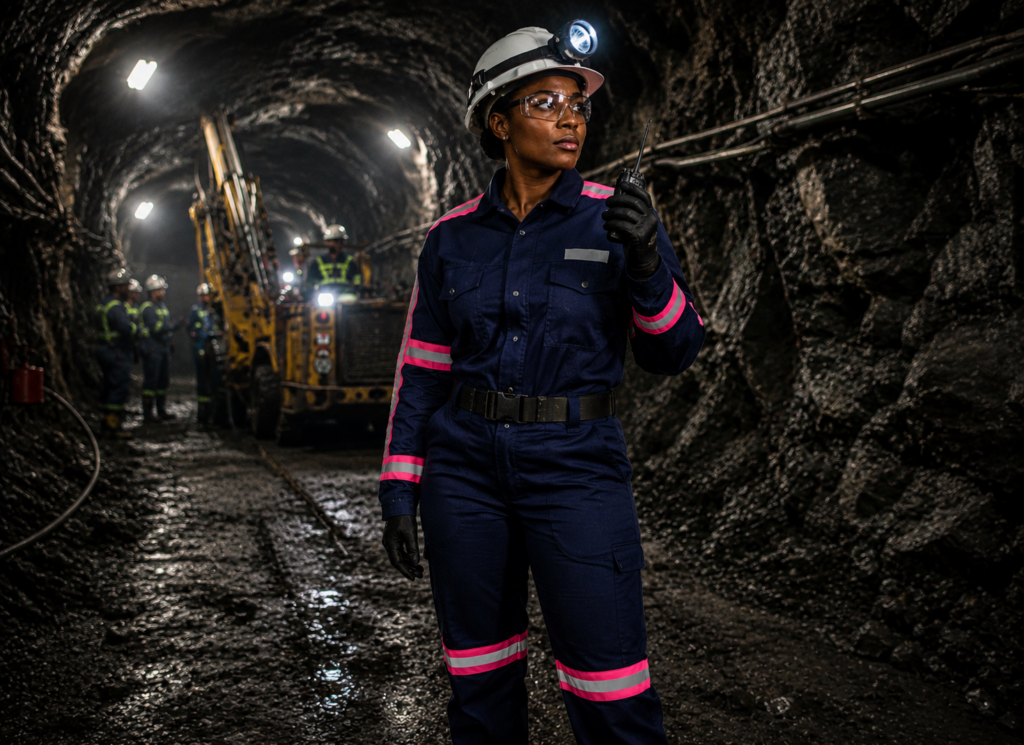
SANS 1381-1:2017 is one of the most referenced standards in South African industrial procurement. It specifies requirements for protective clothing designed to safeguard workers against mechanical, thermal, chemical, and other occupational hazards. For procurement officers, safety managers, and compliance teams, understanding this standard is essential when specifying workwear for mining, construction, manufacturing, and logistics operations.
The standard is divided into multiple parts, with Part 1 addressing general requirements for protective clothing. It covers everything from fabric tensile strength and tear resistance to colourfastness and dimensional stability after laundering. Compliance with SANS 1381-1:2017 is not merely a checkbox exercise — it directly impacts worker safety, liability exposure, and operational continuity.
Key Performance Requirements
Under SANS 1381-1:2017, protective clothing must meet stringent performance criteria across several physical properties. The fabric must demonstrate adequate tensile strength to resist tearing during normal work activities. Tear strength is particularly critical in mining and construction environments where clothing may catch on machinery or sharp edges.
Seam strength is another critical parameter. A garment with strong fabric but weak seams offers little real-world protection. The standard specifies minimum seam slippage resistance and seam breaking strength values that must be verified through testing at accredited laboratories. Colourfastness to light, washing, and rubbing ensures that garments maintain visibility and professional appearance throughout their service life.
Testing and Certification
All claims of SANS 1381-1:2017 compliance should be supported by test reports from SANAS-accredited laboratories. These reports verify that the fabric and finished garment have been subjected to the prescribed test methods and have met or exceeded the minimum requirements. Procurement teams should request these reports before awarding contracts and should verify their authenticity where possible.
It is important to distinguish between a supplier claiming compliance and actually demonstrating it through documentation. Reputable PPE suppliers will provide current test reports without hesitation. Be cautious of vague statements like “manufactured to meet SANS 1381” without supporting evidence.
Practical Procurement Guidance
When drafting tenders or purchase specifications, reference SANS 1381-1:2017 explicitly. Require bidders to submit test reports for the exact fabric and garment construction being offered. Specify that test reports must be less than three years old, as fabric formulations and manufacturing processes can change over time.
Consider also requiring pre-delivery samples for independent testing. While this adds a step to the procurement process, it provides assurance that the garments delivered will match the tested specifications. For large contracts, random batch testing during the contract period adds an additional layer of quality assurance.
Conclusion
SANS 1381-1:2017 is a cornerstone standard for protective clothing in South Africa. Understanding its requirements, verifying supplier claims through documentation, and incorporating appropriate quality assurance steps into procurement processes protects both workers and organisations. For expert guidance on SANS-compliant workwear, contact the SHEQ Safety technical team.