
Foot Hazards in Mining
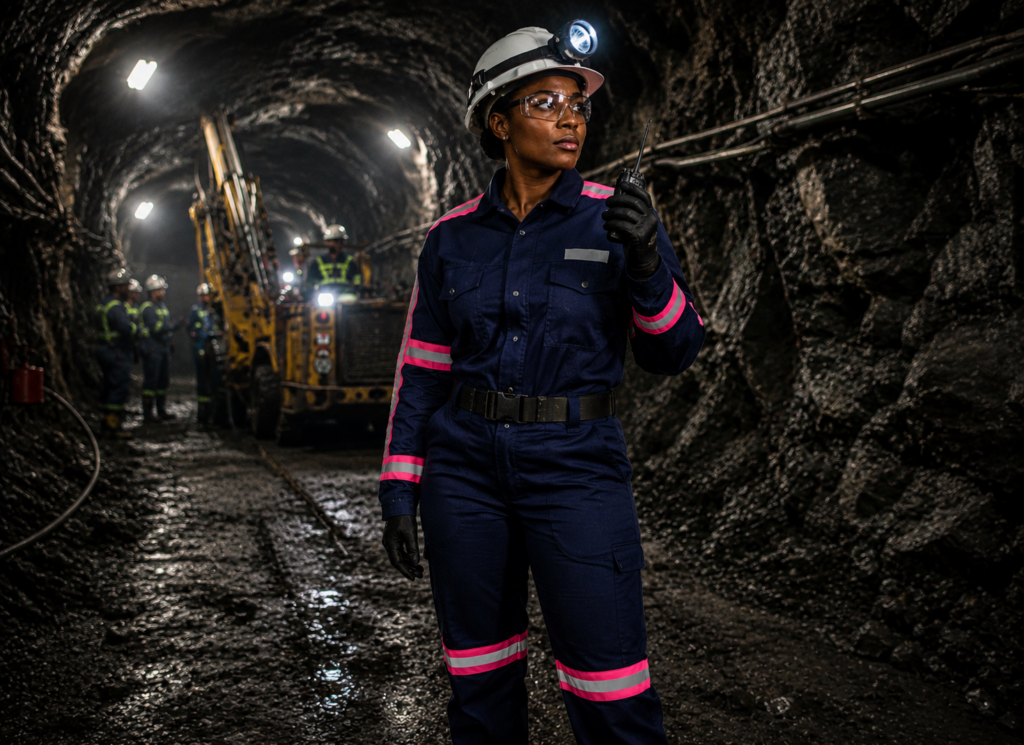
Mining environments present some of the most severe foot hazards of any industry. Workers face risks from falling objects, puncture wounds from sharp debris, crushing by mobile equipment, slips on uneven or muddy surfaces, chemical exposure, and electrical hazards. Appropriate safety footwear is not just a regulatory requirement — it is fundamental injury prevention.
The consequences of inadequate foot protection can be devastating. Crush injuries to the foot can result in permanent disability. Puncture wounds can lead to serious infections, particularly in environments where contaminated materials are present. Selecting appropriate safety footwear requires understanding the specific hazards and matching protection levels accordingly.
Understanding Safety Ratings
Safety footwear is classified according to EN ISO 20345 (and its SANS equivalent) into several categories. SB (Safety Basic) provides toe protection to 200 joules. S1 adds closed heel, antistatic properties, and energy absorption. S2 adds water penetration resistance. S3 includes midsole penetration resistance. S4 and S5 apply to all-polymer boots (gumboots) with similar progressive protection levels.
For surface mining and processing plants, S3-rated footwear is typically the minimum specification. Underground operations may require additional features such as metatarsal protection, ankle support, and heat-resistant soles. Always conduct a site-specific hazard assessment before specifying footwear ratings.
Specialised Features
Metatarsal guards protect the upper foot and toe area from impact injuries. These may be internal (integrated into the boot upper) or external (strap-on guards). Internal met guards are preferred for most mining applications as they do not shift or fall off during work.
Penetration-resistant midsoles prevent sharp objects from puncturing the sole and entering the foot. Steel midsoles offer the highest puncture resistance but can be heavy and may trigger metal detectors. Composite or Kevlar midsoles provide excellent protection with reduced weight and no metal content.
For hot work environments, heat-resistant soles rated to 300°C provide essential protection. In chemical handling areas, chemically resistant sole materials prevent degradation from oil, acid, or solvent exposure. Electrical hazard (EH) rated soles provide insulation against accidental electrical contact.
Fit, Comfort, and Wear
Even the highest-rated safety boot provides no protection if workers do not wear it. Comfort is therefore a safety parameter, not a luxury. Poorly fitting boots cause blisters, foot pain, and fatigue, leading to reduced productivity and, critically, workers removing their boots during shifts.
When specifying safety footwear, consider width options, arch support, cushioning, and breathability. Allow workers to try different styles where possible — foot shape varies significantly between individuals. Provide guidance on proper sock selection and break-in periods for new boots.
Maintenance and Replacement
Safety footwear should be inspected daily for damage including cracked soles, worn toe caps, torn uppers, and loose stitching. Damaged boots should be replaced immediately — repairs to safety-critical components are not recommended. Establish clear replacement criteria based on wear indicators, age, and condition rather than waiting for complete failure.
Conclusion
Selecting appropriate safety footwear for mining requires matching protection ratings to identified hazards, considering specialised features for specific risks, and prioritising comfort to ensure consistent use. A well-specified safety footwear programme prevents injuries, reduces lost time, and demonstrates organisational commitment to worker welfare.